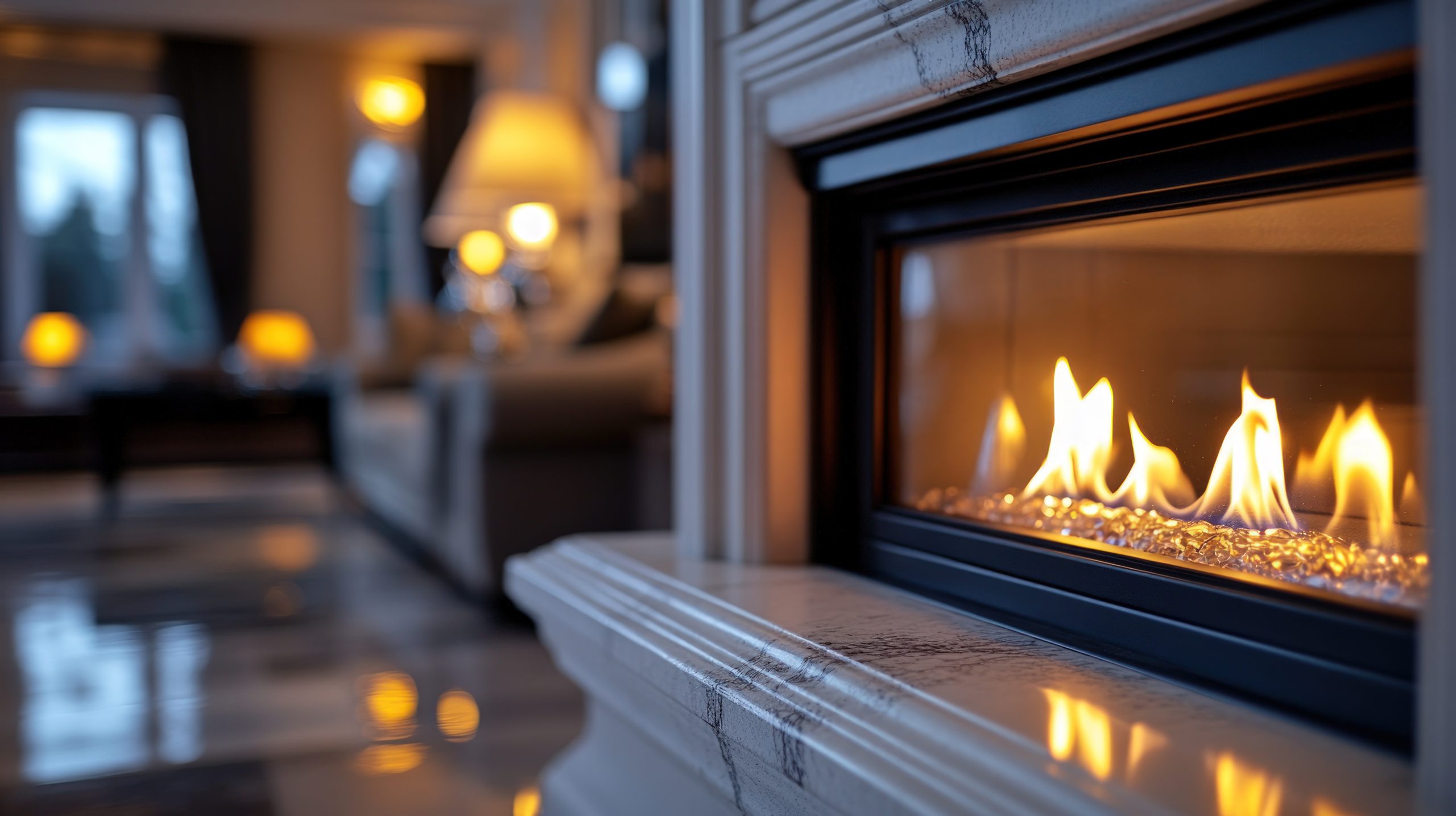
What does a fireplace installation really cost?
When you begin planning a fireplace installation, the first question on your mind is likely about cost. The answer depends on several factors, including the type of fireplace you select, the complexity of the installation, and the specific conditions of your home. Understanding these variables before you purchase can save you from budget overruns and ensure you make an informed decision that fits both your needs and your wallet.
Fireplace installation costs vary widely. A basic electric fireplace insert might run between $500 and $2,000, including installation, while a traditional wood-burning fireplace with a full masonry chimney can exceed $10,000. Gas fireplaces typically fall in the middle range, with installation costs between $2,500 and $7,000, depending on venting requirements and whether a gas line is already available. Pellet stove installations generally range from $2,000 to $5,000, including the unit and venting. These figures reflect materials, labor, and standard installation conditions, but your actual costs may shift based on site preparation, permits, and any modifications your home requires.
In Sunfield, MI, seasonal demand plays a noticeable role in scheduling and pricing. Many homeowners begin planning installations in late summer and early fall, hoping to have their fireplaces operational before the first freeze. This surge in demand can lead to longer lead times and, occasionally, higher labor rates. Additionally, Michigan’s colder climate means proper venting and insulation are not optional extras, they are safety essentials. Installers must account for the state’s building codes, which require careful attention to combustion air supply and chimney performance in freezing temperatures. These local considerations directly influence both the timeline and the final cost.
Breaking down the major cost drivers
Several factors determine what you will ultimately pay for your fireplace installation. The type of fireplace is the single largest variable. Wood-burning fireplaces require a full masonry chimney or a prefabricated metal chimney system, both of which add significant material and labor costs. Gas fireplaces, by contrast, can often use direct-vent or vent-free systems, which are less invasive and more affordable to install. Electric fireplaces require no venting at all, making them the simplest and least expensive option from a labor perspective. Pellet stove service and installation typically require specialized venting and regular maintenance access, which influences both upfront costs and long-term planning.
Venting requirements are critical. A direct-vent gas fireplace pulls combustion air from outside and exhausts fumes through a sealed pipe, allowing installation on exterior walls without a traditional chimney. This approach reduces labor and materials compared to a full chimney build. Vent-free models eliminate venting entirely but are subject to strict local codes and are not permitted in all jurisdictions. If your home lacks existing venting infrastructure, expect to add $1,000 to $3,000 to your budget for vent installation, depending on the routing and structural modifications required.
Labor complexity varies by project. Installing a fireplace in new construction is straightforward, but retrofitting an existing home often requires carpentry, drywall work, and sometimes structural reinforcement. If you are adding a gas fireplace and your home does not have a gas line nearby, running a new line can add $500 to $1,500 to the total cost. Electrical work for blowers, electronic ignition systems, or ambient lighting may add another $200 to $800. Permits and inspections, which are standard in Michigan, typically cost between $100 and $500, depending on your municipality. These smaller line items add up quickly, so it is important to account for them early in your planning process.
Avoiding sticker shock with careful planning
Even when you receive a detailed estimate, certain costs can catch homeowners off guard. Chimney and venting issues are among the most common surprises. If you are retrofitting a gas fireplace into a space that previously housed a wood-burning unit, the existing chimney may need cleaning, relining, or structural fireplace repair before it can safely accommodate the new system. Chimney relining alone can range from $1,500 to $4,000, depending on the height and condition of the flue. If your chimney has cracks, water damage, or deteriorated mortar, those repairs must be completed before installation proceeds.
Structural modifications are another frequent hidden cost. Some installations require framing adjustments, hearth construction, or reinforcement of floor joists to support the weight of a masonry fireplace. If your chosen location lacks adequate structural support, budget an additional $500 to $2,000 for carpentry and reinforcement. Gas line installation, as mentioned earlier, is often underestimated. Running a new line from your meter to the fireplace location involves trenching, piping, pressure testing, and inspection. This work must be performed by a licensed professional and is not a place to cut corners for safety reasons.
Permit and inspection fees vary by jurisdiction, but they are non-negotiable. In Michigan, most municipalities require permits for gas fireplace installation, venting modifications, and any structural changes. Inspection fees ensure your system meets local building and fire codes. Failing to obtain proper permits can lead to fines, insurance complications, and difficulty selling your home in the future. Finally, removal and disposal of an old fireplace or stove, if applicable, can add $200 to $1,000 to your project cost. Planning for these contingencies up front keeps your project on budget and on schedule.
How to evaluate contractors and avoid common pitfalls
Obtaining accurate estimates is a critical step in the decision-making process. Start by requesting detailed, written quotes from at least three qualified professionals. A thorough estimate should itemize labor, materials, permits, venting, gas line work, electrical connections, and any anticipated site preparation. Vague or lump-sum quotes make it difficult to identify what is included and what might incur additional charges later. Ask each contractor to walk you through their estimate line by line, and do not hesitate to request clarification on any items you do not understand.
When comparing quotes, look beyond the bottom-line number. A lower bid may exclude essential components such as permits, inspections, or gas fireplace maintenance service after installation. Conversely, a higher bid might include premium materials, extended warranties, or post-installation support that delivers better long-term value. Verify that each contractor is licensed, insured, and familiar with Michigan building codes. Request references from recent projects similar to yours, and follow up with those homeowners to ask about their experience, the quality of the work, and whether the final cost matched the estimate.
Red flags to watch for include contractors who pressure you to sign immediately, those who require large upfront deposits before work begins, or anyone unwilling to provide proof of insurance and licensing. Be wary of quotes that seem unusually low, they may indicate shortcuts, substandard materials, or inexperienced labor. A reputable professional will provide a transparent breakdown, answer your questions patiently, and offer a realistic timeline. Remember, the goal is not simply to find the cheapest option but to secure a safe, code-compliant installation that performs reliably for years. Taking the time to compare apples to apples now prevents costly corrections and safety hazards down the road.
Moving forward with confidence
Now that you understand the factors driving fireplace installation costs, you are in a stronger position to make an informed decision. Start by clarifying your priorities. Are you seeking maximum efficiency, aesthetic appeal, ease of use, or a combination of all three? Your answers will guide you toward the fireplace type that best fits your lifestyle and budget. Once you have narrowed your options, schedule consultations with qualified professionals who can assess your home, discuss your goals, and provide detailed estimates tailored to your specific situation.
Professional installation is not optional, it is essential. Fireplaces involve combustion, venting, gas lines, and electrical systems, all of which must be installed to code for safety and performance. Attempting a DIY installation or hiring an unlicensed individual can result in dangerous carbon monoxide leaks, house fires, voided warranties, and costly repairs. A qualified installer ensures your system operates safely, efficiently, and in compliance with all local regulations. They also provide valuable guidance on ongoing fireplace maintenance service, helping you keep your investment in top condition for years to come.
If you are ready to move forward, the next step is simple. Contact a trusted local provider who offers transparent pricing, detailed estimates, and a track record of quality work in Sunfield, MI. Ask about their experience with gas fireplace service, gas fireplace cleaning service, and any other maintenance or repair needs you may have. A professional team will walk you through every phase of the project, from initial consultation to final inspection, ensuring you understand what to expect at each stage. With the right partner, your fireplace installation will be a smooth, rewarding experience that adds warmth, value, and comfort to your home for decades.